



What are the top trends in food in Metro Detroit? What are the keys to success for restaurants today? And on the entertainment side, how are music venues doing in 2026?
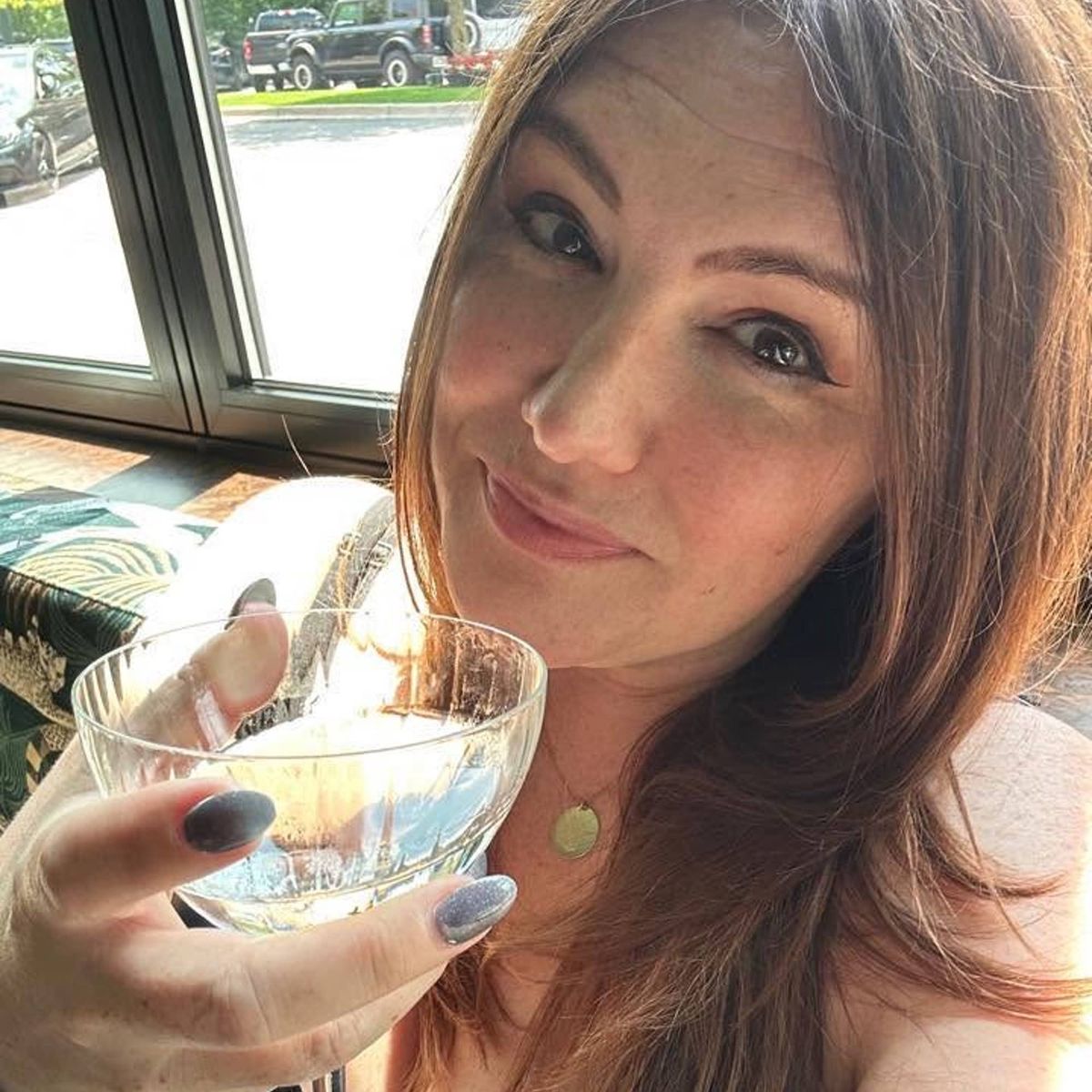
Detroit News restaurant critic Melody Baetens joins us at the Daily Detroit studio to talk about the city's post‑COVID dining boom, why consistency is key to winning, and what's driving all the new global flavors around town.
I have so much respect for her talent and experience, so I'm glad she made the time to stop by the podcast. The audio is embedded above, and you'll find a full transcript below.
We get into a recent piece she did on the Greater Detroit Music Census, how local venues are struggling to keep live shows on the calendar, and what it would take for Detroit to lean into being a music city for working musicians and locales.
You can read all of her stuff on the Detroit News here.
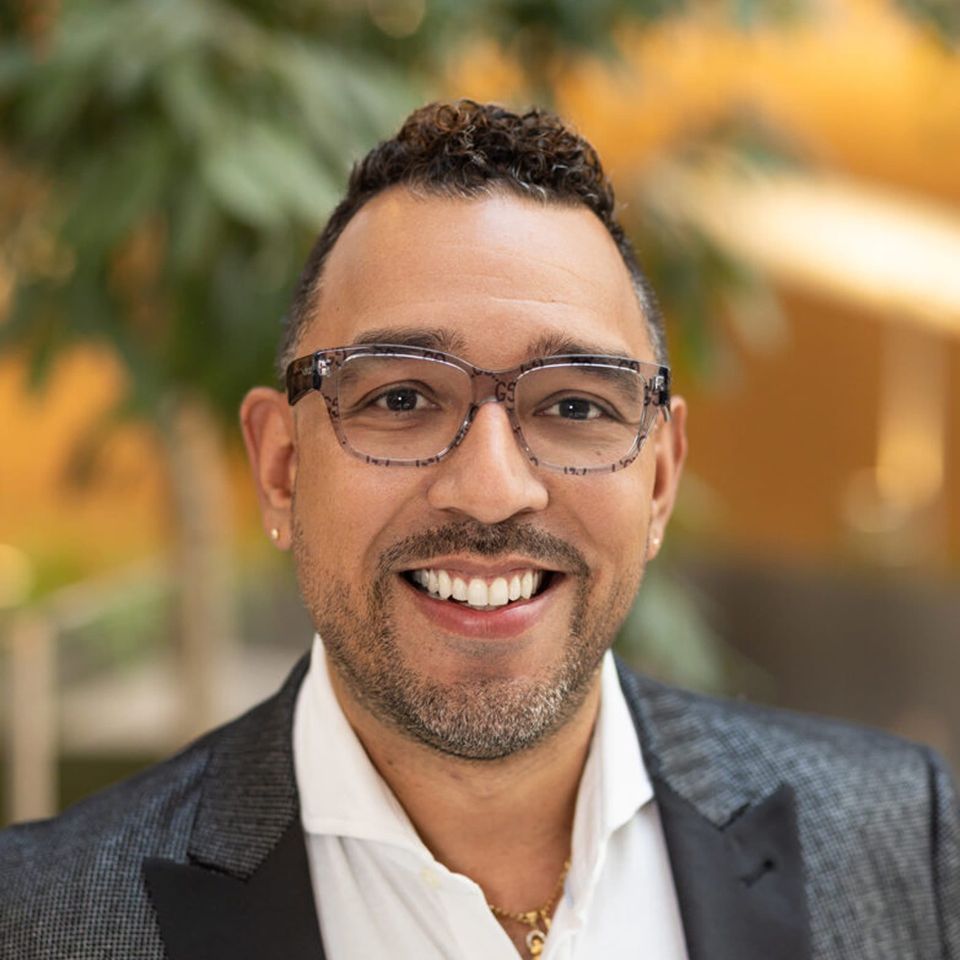
Thanks also to Norris Howard for joining in this conversation.
Transcript
This transcript was lightly edited for clarity. Please refer to the original podcast audio before quoting.
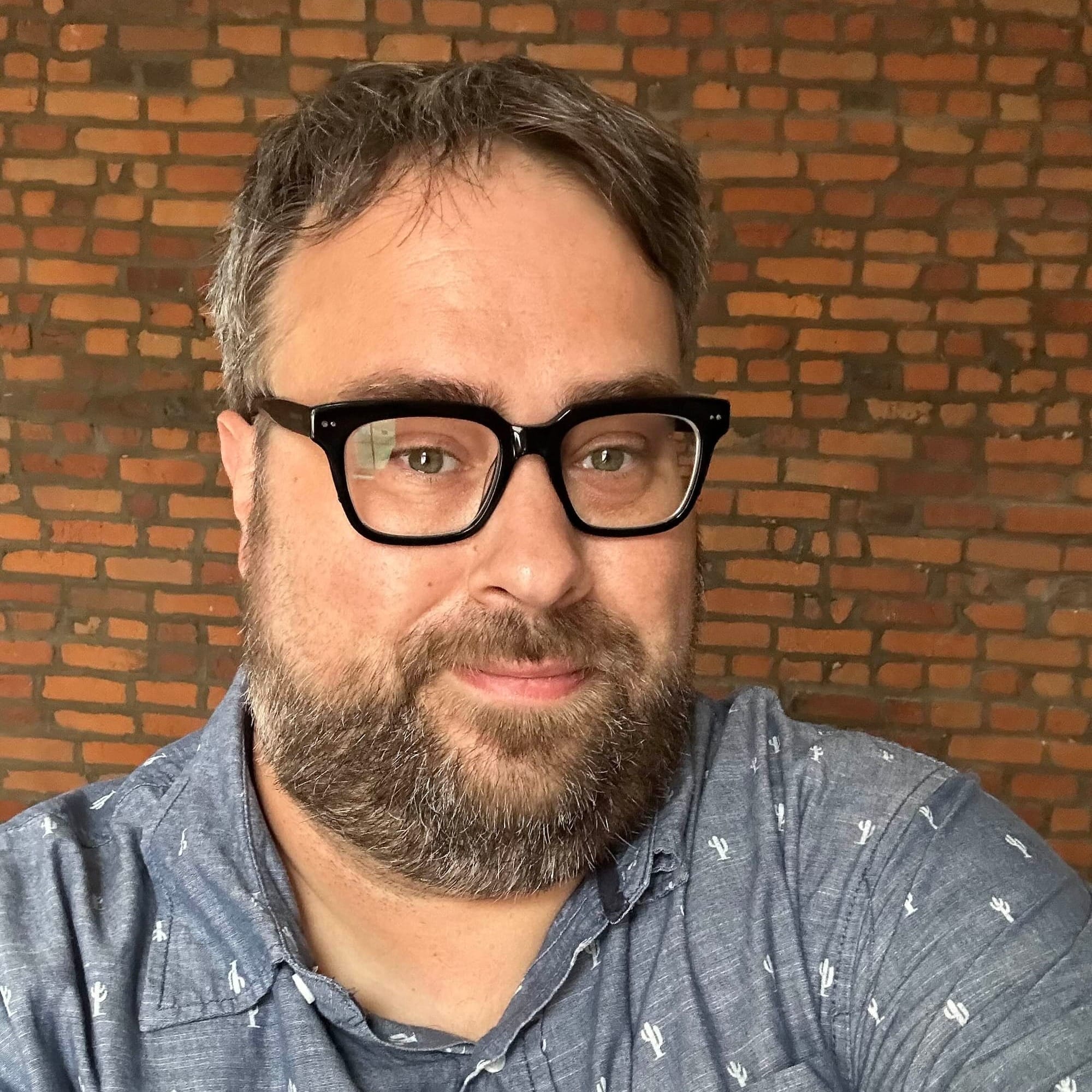
Jer Staes: And we're going to talk with somebody who I'm so excited—I have followed their work for longer than I care to admit. I am very excited. Across the table from us is none other than Melody Baetens, the restaurant critic and reporter for the Detroit News. I think of anyone in this town, you have some of the best perspective—and longest perspective. You understand what's been happening in this place for a while now.
Melody Baetens: Thanks, Jer. Yeah, I feel like I have a master's degree in what's around here.
Jer: Where to go to get...
Norris Howard: What's going on?
Jer: What is happening out there? So, you know, we'll get into some nitty-gritty and some things that are happening on the ground, but you know, since you're here, what are some of the biggest changes that you've seen over, you know, the last years? I'd say, you know, your career spans, I think, 27 years. But really in the last 10 years, 15 years, what are some of the biggest changes in things in Detroit and Metro Detroit when it comes to dining and venues?
Melody Baetens: Yeah, I would say nothing surprises me anymore as far as things closing. Since COVID, there's a couple closings where I'm just like, "Well, if that's going to close, then who knows?" You know, like, just anything can happen. You know, it's hard to keep a restaurant open, it's hard to keep a venue open. But I also see on the other side of that, anything can happen. Michelin can come here, we can get James Beard Awards, we can have the biggest New York restaurant guy come here and open a restaurant. So I see those things happen kind of every other day. It's kind of one or the other. So yeah, there's a lot of—a lot of "anything can happen" type of feeling over the last couple years, I would say.
Jer: You've talked to a lot of people. Looking at COVID as kind of that marker, what do you think has permanently changed that's kind of changed the market and created both of those situations?
Melody Baetens: Probably service, and just the leaning towards... I think there's a lot more fast-casual. I'm seeing a lot of kiosks. Like, literally just this week, where it's like instead of going up to the counter and ordering, or going up to a host stand, you go up to a screen. And you either say, "I'm here, and I want to sit down," or "I'm here, and this is what I want to order, here's my money." So I'm seeing a lot of automation, I'm seeing a lot of fast-casual. And I don't think it's because people, you know, don't want to do that job or they can't find people to do that job. I think that the people working in restaurants have enough to do, and this is making them—you know, their job a little easier.
Jer: Really? That's an interesting perspective, because a lot of times, you know, you'll hear the technologists and the anti-technologists, and they'll be at each other's throats. But you're really coming to it from a very practical perspective.
Melody Baetens: Yeah, I mean, I think that people that work in restaurants like it, they want to be paid fairly and they, you know, they want... A lot of people did exit the industry during COVID, for sure. But there's so much to do, always. I think in anyone's job there's so much to do, and I think those technologies maybe just help support the staff that already exists. But I do hear a lot from restaurant owners: staffing is difficult.
Norris: Mmm, interesting. Now, my question is, obviously, we are starting to see—you mentioned Michelin coming here, and James Beard Awards being given to some of our restaurateurs. You know, for me, I want to ask: when there's a place that you, as somebody who does this for a living, what would you say are some of the quintessential places that, you know, our listeners need to try? Like, where is the place like, "eat here before you die"?
Melody Baetens: Oh! There's a lot. I mean, just—I'm thinking like, just physically near us, like Baobab Fare, Chartreuse, Supino. I mean, there's so many places. LC's Vape Shop is another good one. Just in this little area right here. It goes on and on. I think that, you know, you have to give more of a pocket, like which places in this area, or which places with this cuisine, because we are so fortunate to have so much good things to eat, and so much—you know, so much more coming. But yeah, when people say, "Where does my friend from out of town go to eat?" I'm like, "I need more specifics!"
Norris: I need—I need you to help me! I need you to help me! Yeah, and you know, I think for me, because a lot of folks, I get the same questions, right? We do this show daily, so, "You must know every restaurant in the whole region!" It's not possible.
Jer: I think she knows more than me.
Norris: She knows more than both of us combined, I'm sure! But I think when you're talking about more things coming, what excites you about the future of the food landscape of the city of Detroit?
Melody Baetens: I'm really hoping that there's going to be more opportunity for people that have like been cooking in Detroit. Like you see it with the Motor City Match program, I think that's very useful, and we're seeing a lot of places actually open up. You know, like Little Liberia. You know, Chef Amina has been working her tail off for years, and she finally got that restaurant open, and it's gorgeous, and I think she's doing well. The food's amazing, people are excited about it. So I want to see more of these stories, like, you know, the people who have really been slugging it out get a little bit of the spotlight, and, you know, get a space, get funding, get help, get what they need. Detroit Shipping Company is another one. You see a lot of chefs in there that are, you know, that have been doing pop-ups or have been doing catering. Kan-Jam is open in there now. You know, there's Chef Genevieve in there, she's got a couple concepts. Just a great spot where people can, you know, they have a home, and they have like kind of support. It's not just them paying all the bills and doing everything, and rent all on their own.
Jer: That's one thing I've noticed a lot, is that restaurants and hospitality is like a really hard business to make it work. It's astounding when people do.
Melody Baetens: Yeah! And it's also like a real estate game. Like a lot of places can't afford to just buy the building, and if you don't, then you're, you know, you're renting and you're at the mercy of whatever the landlord wants to do. And that's, I think, how a lot of places, you know, closed that didn't want to close. It's like, "I didn't own the building, so I couldn't decide," or, "You know, I had to go move somewhere else."
Jer: Is it true that sometimes landlords see a successful place, and then, you know, I'll hear that maybe they turn up the rent or something? Does that happen?
Melody Baetens: I think so, yeah. I mean, definitely if the market calls for it, and they know they can get more. I mean, they're in business, so, yeah, I would say so, for sure.
Jer: So what are some of the trends that you're seeing here in 2026 out there?
Melody Baetens: I'm seeing a lot more global flavors, you know, some things we haven't seen before. Like Chef Omar from Saffron De Twah just opened Nomad Rotisserie, and he's doing like Palestinian flavors, Iraqi, Greek, a bunch of different flavors, but using the same rotisserie chicken base, kind of. Korean... He's got a bunch of stuff going on there with the flavors and the seasonings. He's just getting started there, and that is in 3rd Street. And that's like another thing we were saying, like he's inside 3rd Street Saloon, so he's kind of like—you know, the customers that the bar can order from him, and his customers can get a drink from the bar. So there's kind of that synergy, and I think that's going to be—that's a key to success, is having kind of, in our community, you know, something to lean on.
Norris: Yeah, and for those who may not be familiar, the new Street Beat that was on—that is on Michigan Avenue in the old Bobcat Bonnie's got one of their big starts in the same spot in 3rd Street Bar, so it can be done.
Jer: Well, and you know what might date me, is I remember when Dangerously Delicious Pies...
Norris: Yes! The pies!
Jer: I still miss the pies!
Norris: Let me tell you something, when you was already a... a few drinks in, and you knew that maybe I should, uh, chalk it up, the pies hit exactly the way they were supposed to. But I want to shift gears right quick and talk about something that was really interesting to me, and that is going to be the Greater Detroit Music Census. Your part in it was talking about venues, and, you know, what is sort of the ecosystem of music venues in metro Detroit?
And I want to talk about this because as somebody who loves our music scene—I love all genres of music, there's even a few country jams that I really enjoy—but what was the biggest thing that surprised you from this particular census? Because Detroit is known as a music city, but it feels like not so much anymore, maybe.
Melody Baetens: I think you're right. I think it's a music city in its heart and in its culture, but is it a music city as an industry? I don't think anyone's making money. I don't think there's musicians that are coming here to make a living playing music. And that's what, you know, the people that put the census together, that's kind of what they found, is a lot of the musicians that were polled—which I think they got like 2,200, 2,500 people that answered the survey, which is a good amount of people—you know, they want to stay here, but they might not be able to stay here if they want to be full-time, you know, professional musicians.
And also the venues don't have as many live shows compared to like, you know, other cities like Nashville, which—that's a big comparison. But they said we're more in the market of like a Wichita, Kansas. And I don't know if maybe that's just...
Jer: That hurts.
Melody Baetens: Yeah, I mean, the numbers...
Jer: I mean, I believe it, but it hurts, right? And I think that's part of the intersection of identity and entertainment that I think is so interesting to sit in.
Melody Baetens: And maybe that was polling... the census just being, you know, hard to read or, you know, this is the first year they've done it. But yeah, they said that there's a low number of average shows per venue. But I don't know what kind of venues all answered the survey, and you've got to think, you know, there's still like—we do a lot of local showcases in our festivals. Like Jazz Fest, you know, Labor Day weekend alone showcases all kinds of different local music. And that's also the best bet, I think, for local musicians getting paid. But those don't happen every weekend.
Norris: Yeah.
Jer: Do you have any idea on what these venues need, or solutions? You know, I always try to look at things in a way of like, "Okay, here is the problem," and I'm definitely good with calling that out. But also, I think there's so much more we could do to embrace our musical culture. You know, I've traveled places—like, I don't understand why we don't have more Motown statues, or we don't have more activities. Like, the Motown Museum is great, and the expansion is going to be great, but I feel like, you know, we need our own walk, or different things. I saw a Black Music Walk of Fame in Cincinnati, which I thought was really cool. When I was in Memphis, I saw lots of statuary. I don't know what our take on that is, but if we want this to be a thing, I feel like we should invest in it.
Melody Baetens: Yeah, absolutely. I think to answer your question about the venues, there's a couple things they can do. One of them, which I think festivals do, is sponsorships. And I think back in the day, you would go to, you know, St. Andrew's Hall or—you go to some venue and it'd be like, "Oh, they only have Budweiser products." It's like, well, guess what? Budweiser's probably footing the bill for half the music. Or Camel cigarettes. You know, these kind of sponsorships don't really happen as much anymore because I think everyone's tightening the belt. But that is one way.
And then the other way is, you know, because people don't drink as much—whether it's people our age drinking less or the younger generation just not drinking as much to begin with—Darren from Ghost Light had a point. I told him, like, "You sell one thing, which is alcohol. How do you remedy this when people aren't buying it?" And he said, "We have to change the narrative that we're also selling artists a chance to make a living." So when you pay a $10 cover, or you pay, you know, maybe you pay $20 a cover, but because you're not buying so many drinks, half of that is, you know, you think of it as cover charge, but really it's to give the musicians a chance.
Norris: Yeah, and you know, how fun and interesting you talk about it, because as somebody who used to be in St. Andrew's or at, you know, The Shelter underneath, like every weekend somebody was performing or there was something that was going on, you kind of went in understanding like, "Okay, this is kind of a house show, so we're going to be paying a little bit of money to go in here," or if they gave you some Camel Crushes, like back in the day or something...
Melody Baetens: Yep!
Norris: ...you're like, "Oh, okay, they were able to get some sponsorship in here. They must be having some little buzz!" Like, it was fun discovering kind of new local artists. And then really over the—I don't want to say, I was about to say the pandemic—over the bankruptcy, it felt like a lot of that consolidated, and now the only way you could discover new music was through like parties, or somebody's random pop-up. And those opportunities, as you say, for somebody to perform at Old Miami, or St. Andrew's, or what have you, seem to be much, much less frequent, even just anecdotally in my experience.
Melody Baetens: Yeah. Yeah, for sure. And you still can go out and see local music, but I think you have to try one step harder. Like, I think you can't just open your phone and hope that it's going to scroll by. Like, you really have to dig for it. And I know people that are obsessed with local music, you know, they're big fans like you, and they know where to go. But, yeah, I feel like there used to be, you know, the Metro Times—which there still is the Metro Times, but, you know, people don't go—maybe they don't go to happy hour on Wednesdays as much anymore to read it, you know?
Jer: Can I be nostalgic?
Melody Baetens: Yeah, please.
Jer: All right. So, when you mention the newspapers like that, I think about, of course, the Metro Times, and what you do at the Detroit News, things like that. I remember, it would be a Thursday, I'd be at a coffee shop or something, and I would crack it open, and I would sit there with my coffee. And there was that physical—there was that ability to see all these listings. And I know a lot of it's online, I know it is. But it doesn't feel the same. It doesn't feel like there's the same discovery of like, "Oh, well, maybe I'll do this," or, "Here's that," or, "Here's this wild classified at the back of the paper that'll make me laugh," right?
And I think that maybe it's just me being old, but I think we're missing something in that. Like, we need to almost find a new way of discovery, because so much of it is on-demand. It's like algorithms give us exactly what they think we'll be interested in, but it's not winding off of that—that path, you know? I guess maybe I feel like that's part of the equation, too.
Melody Baetens: Right. And where venues used to put money into marketing and print media, and traditional publicists, now they put it all into social media. But you've got that blockade where it's like, well, what is the social media going to let the business, you know, filter into everyone's newsfeed? You know, if they can charge you for it, they will. And then there's just a ton of competition. There's Netflix, there's TikTok, there's... there's just other things people look at versus then, you know, what's going up, you know, what's happening at Old Miami this weekend.
Norris: Yeah, and you know, for me, Jer, going back to, you know, "What's the alternative?" You know, on the weekends I do crack open like my Resident Advisor guide app, you know, RA guide, to see like, "Okay, who's performing this weekend, what's going on?" But like you said, that's an extra step. I had to go and know what that is, and then download it, and then scroll through to see who is performing where over this weekend. And having that all exist kind of in one place is difficult. And then now it's bifurcated by genre, and so on and so forth. And so I can see how venues struggle with this, for sure.
Jer: I feel it important to mention here, though, I have seen a lot of good shows at the Old Miami!
Melody Baetens: Yeah! For sure!
Norris: I've seen some shows at the Old Miami. Indoor and outdoor! At the Old Miami, at the Magic Stick, at the Majestic Next Door, at so many places just even within the city of Detroit itself, not even talking about the greater metro, 'cause one of the best concerts I've ever been to was watching Snoop Dogg show up three hours late at the Royal Oak Music Theatre... and not getting home till like 3:00 AM. But I digress.
I think when we're talking about venues, 'cause, you know, that was where you really focused on, not just how can they do things to make this better and make this easier for local artists and performers, but what can some of these venues do to kind of get more people in the door? Because ultimately, that's what everybody's trying to achieve. The artists want booties in the seats, the venue wants the same thing. You know, what are you seeing that can make this easier?
Melody Baetens: I think the venues that are being successful have cultivated a community of people that—they've focused on a genre, and kind of stuck to it, so that they know their customers, and they can get, you know, a lot of the same people. People know that they can come to The Ark in Ann Arbor, for example. Like, it's $25 on a really affordable night there. But if you try to charge $25 to see five local bands at The Lager House, people would balk at that.
Norris: Yeah.
Melody Baetens: You know, so it's—it's the venues that have really cultivated and understood their audience, and understood their artists, and have worked with them to promote and pay them well, and, you know, treat the audience well and offer them something that they want to keep going back to. And it's not easy to do. It's easy for me to say that, but like, it is—it is hard, and the venues... That's what I see the venues that are successful, that's what I see them doing.
Jer: You know, along those same lines, what are some of the things that you see that are successful among the food places, the restaurants, and things like that, that are themes that you're seeing with kind of what's working? And maybe some examples.
Melody Baetens: Consistency. Consistency!
Jer: You know, that's so—You know what for me, can I just say? That's a big deal, though! And hours—for me, oh my gosh, my biggest pet peeve is hours that fly all over the place. Anyway, sorry, I...
Norris: No, but consistency is something that I think is very important, because again, I don't go to this place very often, but when I do, I always say this about it, is when I go to Freya, and I see that the same people have been working at Freya for like four years, I'm like, that's important. Every dish I got is incredibly different, but it's all delicious. And so, you know, the wine list is always expertly paired with what I got going on on my plate. And so that consistency of not just the menu, not just the drinks, not just the staff, not just the decor—it is the entire package all together in a way it's never changed, but it's always different. And that's what's so incredible about that place. So I'm glad that you said consistency, because when I go to my—I mean, I got my regular places. Baobab, I go to Baobab for happy hour at least once a week. Consistency.
Melody Baetens: You're spot on about Freya. Like, the menu might change every week, but the expertise is the same, the hospitality is the same, and, you know, the high level of experience is the same. And hours, too, you know, a lot of places they struggle to just get open and stay open and keep regular hours.
Jer: I would almost argue a place should be open less, but more consistently. It's more important than being all over the place. I remember—I won't name the name, 'cause I don't think they're with us anymore—but I was going to this place on the East Side, and who knew? It was rolling the dice.
Norris: It was rolling the dice if they was open or not!
Jer: Who knew? It was just, you know, on God.
Norris: It was on God! But we put it in... It's by the grace of Jesus that this place'll be open or not!
Jer: If there was cheese involved, is it Cheeses?
Norris: Yeah! Oh my god, here we go with the puns! In the stream! In the stream!
Jer: So, what's something that people—that you've wanted to talk about, or something that maybe hasn't fit the pages, or maybe something you want to talk about in the future that like, in the food or the venue scene, that you want to share with folks?
Melody Baetens: I'm just always excited about what's coming next, and, you know, I don't know what I don't know, so I am excited about any new restaurant that opens this year. You know, we got a couple coming down the pike. In West Village, they're doing Agnes from the Selden Standard folks. Waka is going to open, hopefully soon, in Eastern Market. We've been waiting for them for a while, and I think that's going to be great when they open. You know, there's going to be more pizza, more tacos.
I'm really excited later this month for the Hospitality Included Festival, which has gone on for a couple years, and that is really like... everybody. I mean, and everybody! I see people I haven't seen in years, I see people who I've never seen at restaurants, you know, hanging out and trying food. Every chef is in town, in the mix, from like Dutch Girl Donuts to, you know, Mabel Gray, Chartreuse, Freya, Vicino, like all the, you know, the high-end finer dining places. It's just a really good mix. The organizers know what they're doing, and it's a community festival, it's free to get in, but you can buy community tickets to make sure it stays free, and that's right around here on the North End, I think on August 16th.
Norris: Yeah, next month.
Jer: Isn't that in—I want to say I remember last year was in the Crain lot?
Melody Baetens: It was three years ago over there, and then last year it was kind of right around there, like around the corner from there.
Jer: Okay, so same area.
Melody Baetens: It's so cool! No long lines, not very expensive, like... I think it's—it's right in that sweet spot, like the first couple years. Like, maybe it'll get too big and it won't be as sweet, but I think even the parking was free. Like, it was just like, I'm like, "I love this food festival!"
Norris: Nah, it's peak. It's a festival a lot of people will enjoy, and it is one of our lesser-known festivals, but people should definitely check it out, 'cause if you're somebody who's deep into food and the restaurant scene here in metro Detroit, you should absolutely check it out.
Jer: So, I guess maybe I'll end on this: if somebody's coming and they want to, you know... People work real hard for their money. I get the sense that it's not always about like the cheapest, it's about value for money, right? Making sure that they get stuff. When you go to a place, what is the thing that you look for or see? Is there something you notice where you're like, "This place is going to be good"? Is there some stuff where it's like, look for X or Y when you're looking for some place to eat?
Melody Baetens: Yeah, flavor! Just like, make the food taste good, flavor it, season it. I think Tacos Woohoo in Southwest Detroit is doing a great job. This week is their one-year anniversary, they're doing a special menu. They just won the Taco Showdown in Eastern Market. I think they're having a great time, and I think more people should check them out. They're right across the street from La Hacienda, and...
Jer: Yeah, yeah, yeah! We've had the chef on the show before!
Melody Baetens: Great margaritas there, great snacks there, too. So you can get two-for: you can have a snack and a drink over there, do some shopping, then go across the street and have some birria tacos.
Jer: Norris Howard, it's clear we need to hang out with her more often.
Norris: That is what I'm hearing!
Melody Baetens: I'll bring food next time!
Norris: That is what I'm hearing, yes!
Jer: Well, Melody Baetens, the restaurant critic and reporter at the Detroit News... I assume you can go to the Detroit News and check out everything that you're doing. Anywhere else you want people to follow you?
Melody Baetens:detroitnews.com/restaurantswill get you to all my latest reporting.
Jer: Awesome. Thank you so much, and see you around town!
Melody Baetens: Thank you.
Jer: Thank you so much for listening! If you've got feedback, dailydetroit@gmail.com, or 313-789-3211. Remember, we've got our studio summer open house Saturday, August 15th, 10:00 AM to 1:00 PM. Check out the event on Eventbrite, I will put a link in the show notes. Until next time, I'm Jer Staes. Remember that you are somebody, and we'll see you around Detroit.