




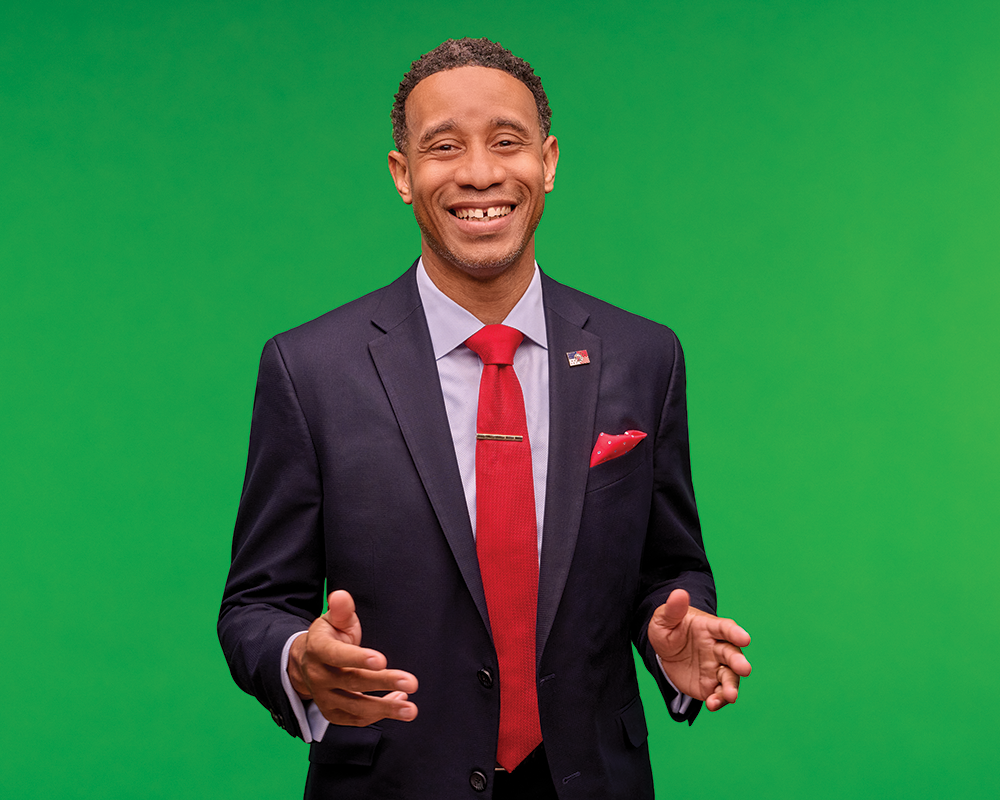
Today I'm at the table at TechTown with Life Remodeled president and CEO Diallo Smith, along with Norris Howard.
We get into how this Detroit‑based nonprofit is transforming vacant school buildings into "opportunity hubs" that connect entire families to education, jobs, and essential services in their own neighborhoods.
Diallo walks us through the rebirth of Durfee Intermediate as the Durfee Innovation Society on the West Side, now home to more than 30 nonprofits and social impact partners, and shares how neighbors themselves shaped which programs moved in.
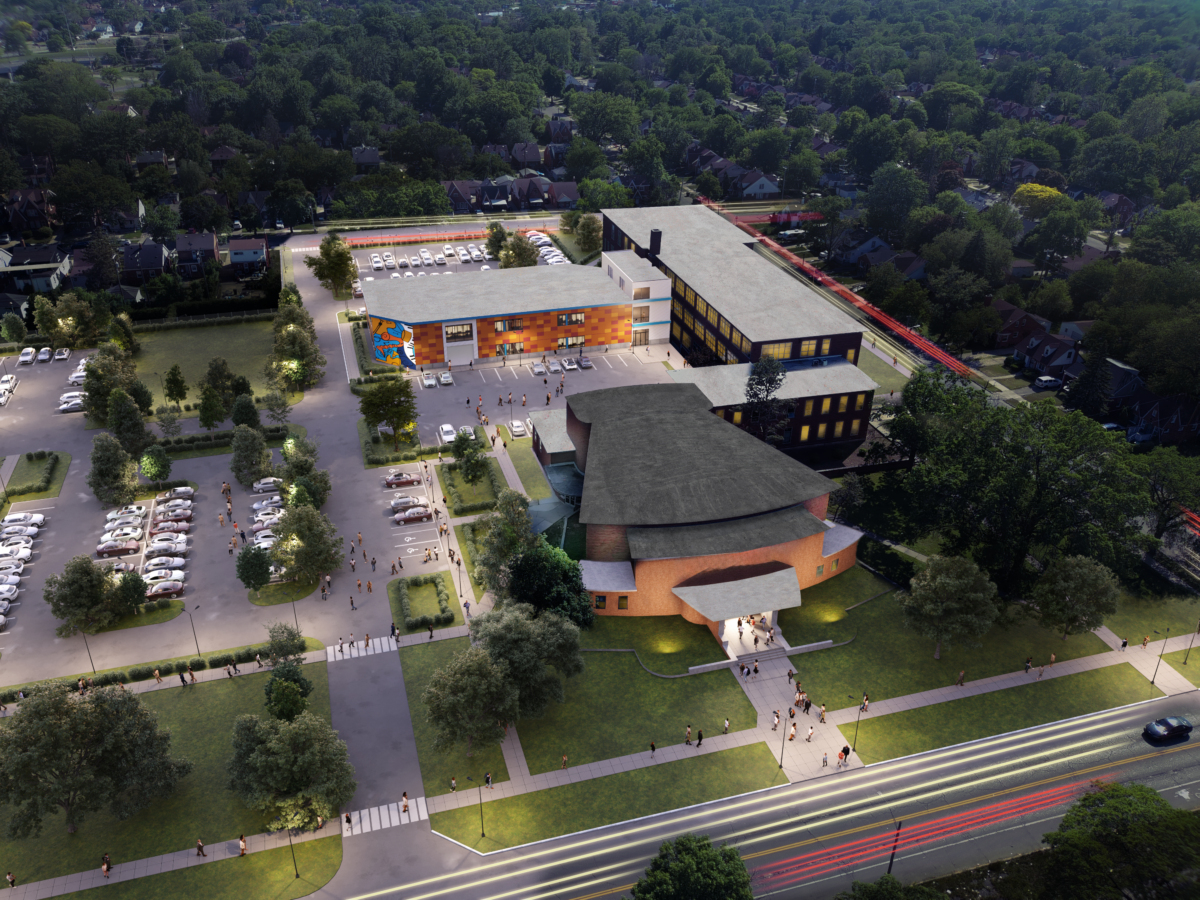
We also talk about Life Remodeled's next big project on the East Side at the former Dominican / Winan Academy campus, including a 700‑seat theater and a planned 26,000‑square‑foot tech education addition with room for everything from esports to advanced training.
Along the way, we get into why the future of the Detroit region is fundamentally tied to the future of Detroit's neighborhoods, what thousands of volunteers accomplish in the Six Day Project each year, and why investing in arts, culture, and opportunity on our blocks is really about rebuilding the heart of this region.
More: https://liferemodeled.org/
You'll find a lightly edited transcript of the conversation below:
Jer Staes: Today on Daily Detroit, we’re at TechTown with Life Remodeled president and CEO Diallo Smith. Also at the table: our indefatigable co‑host, Norris Howard.
Norris Howard: The East Side finally outnumbers me. Usually the West Side representation is strong, but today the East Side is in the building. I’m excited to talk about Life Remodeled because I think it’s one of Detroit’s hidden gems.
Jer Staes: Diallo, for folks who don’t know, what is Life Remodeled and what are you trying to do as the new CEO?
Diallo Smith: Life Remodeled is a Detroit‑based nonprofit committed to neighborhood revitalization. We have some beautiful neighborhoods in this city, but after decades of disinvestment, a lot of that beauty is still hidden. One of the ways we reveal it is by repurposing vacant school buildings into what we call “opportunity hubs,” all within our E3M model: educational, economic, and environmental mobility.
In the Durfee neighborhood, Durfee Intermediate — which turns 100 next year — has been transformed into the Durfee Innovation Society. Working with supporters, volunteers, and donors, we took this historic school and turned it into a hub that now hosts 34 nonprofits and social‑impact partners bringing direct investment, services, and resources into the neighborhood.
An opportunity hub is a place where an entire family can get what they need to thrive. Our belief is that Detroiters already have the talent; what’s missing is access. These hubs either break down barriers that block opportunity or build bridges to help people get where they want to go.
Imagine walking into a space where Big Brothers Big Sisters, Detroit at Work (the region’s largest workforce development center), and New Foster Care are all under one roof. It’s a constellation of organizations where you can find almost everything you need to improve your life.
Norris Howard: Just looking at Durfee alone, you’ve got youth programs, healthcare resources, day care, and more. When I was growing up, that kind of programming was in community centers or schools, but those supports have been defunded or broken apart. It’s heartening to see Life Remodeled fill that gap while preserving these beautiful buildings.
Diallo Smith: Our neighbors have earned and deserve this. They have incredible ambition and will. We take a community‑driven design approach: long‑time residents, students, teachers, small business owners, and faith leaders know more about what their neighborhood needs than we ever will. We asked them: “What barriers to access, if removed, would truly grow your neighborhood?” Their answers guided which partners we recruited.
We’re now doing similar work on the East Side, off I‑94 and Whittier, at the former Dominican High School/WINE Academy campus. The community there has a strong desire for technology, arts, and culture. The site includes a 700‑seat theater we’re modernizing into a performance space that could host everything from the Detroit Symphony Orchestra to touring artists.
We’re also building a 26,000‑square‑foot addition dedicated to technology education for young people, including space for esports.
I’ve said at the Detroit Policy Conference that the future of the Detroit region is fundamentally connected to the future of Detroit neighborhoods. When we reorient Detroit neighborhoods toward a strong future, it benefits the entire region: more people in good jobs, investing in their households and children, and students who see a future in front of them.
Every year we organize the Six Day Project — the state’s largest condensed volunteer effort — bringing 5,000 to 6,000 volunteers into one Detroit neighborhood. Over six days, they remove blight and litter, board up vacant houses, and work in schools. At the end of that week, the landscape looks completely different.
Our long‑term goal is to cultivate what we call “thriving‑class neighborhoods.” It’s not about income brackets; it’s about people whose tenacity and will to see their neighborhoods thrive leads them to roll up their sleeves and do the work. We want to elevate entire households and blocks so families are safe, earning sustainable incomes, growing educationally, and investing in their streets.
You know you’re succeeding when residents say, “We want you to move into our neighborhood, because this is a place where you can thrive.” Over the next five to ten years, our aim is to help create those thriving‑class neighborhoods on both the West and East Sides.