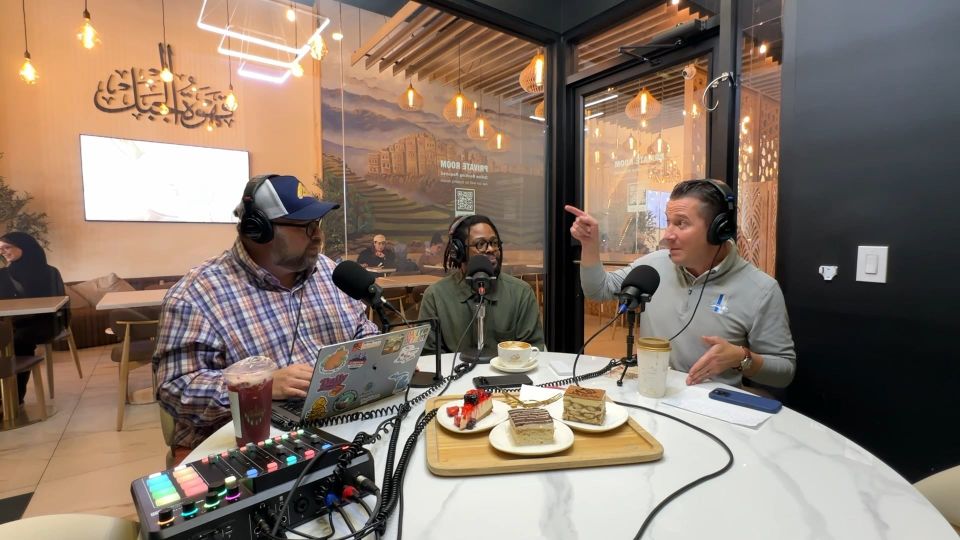




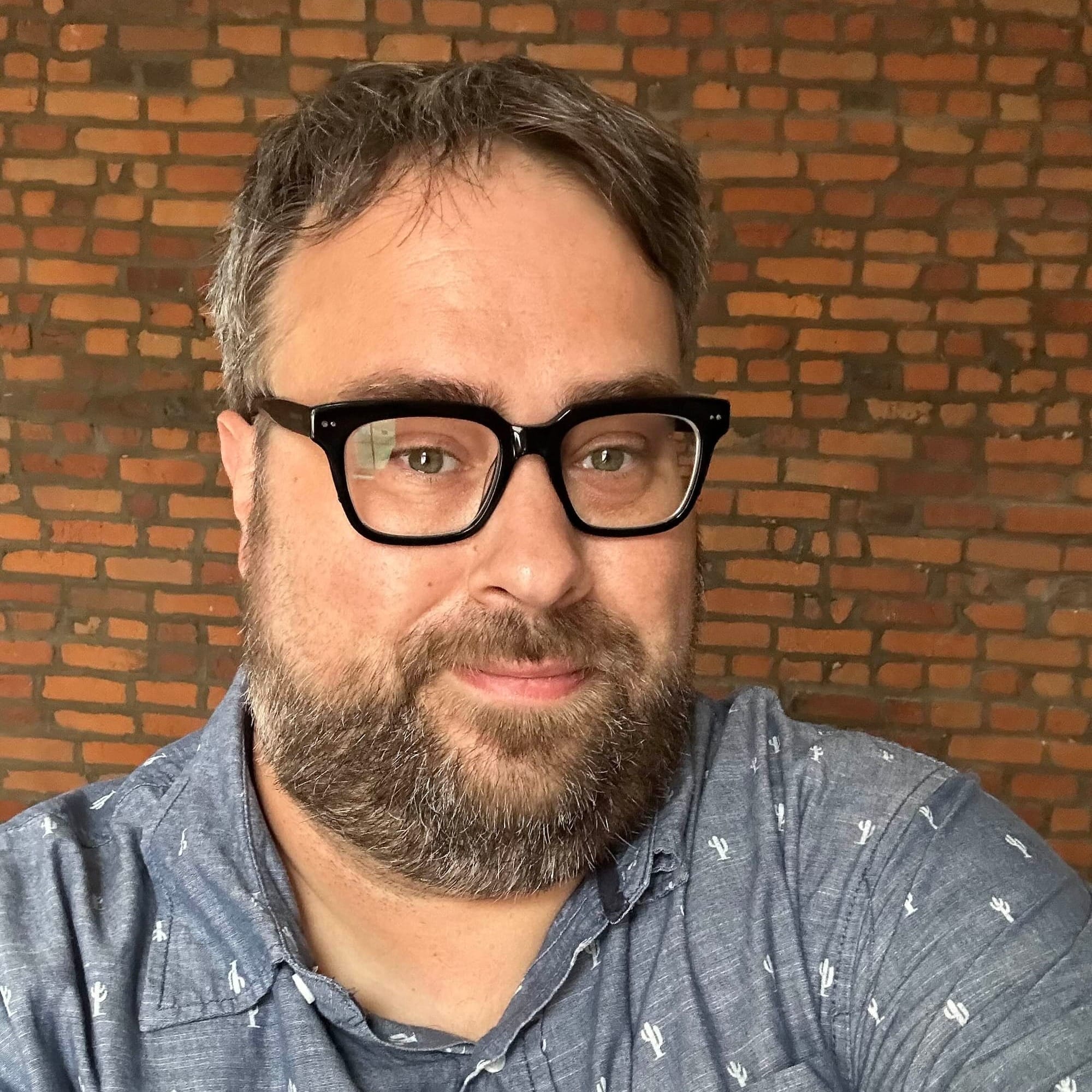
Detroit Future City CEO Anika Goss joins me to dig into a recent report on career-connected learning and the future of work for young Detroiters.
“Career-Connected Learning: Investing in Detroit’s Future Talent,” is grounded in the perspectives of almost 200 Detroit youth, along with input from parents, practitioners, employers, and policy makers around where things are working and where improvements need to be made in setting out future up for a bright tomorrow.
We talk about which sectors are most likely to grow and survive automation, how tech and health care show up in kids’ real aspirations, and why exposure and role models matter from grade school on.
Anika gets into the regional picture across Wayne, Oakland and Macomb, the stigma around community college, and how employers and community colleges can help build a smarter pipeline from classroom to career.
We also talk about AI — and being clear-eyed on what it will actually change, and why young people are already using it without the fear many adults have.
If you care about Detroit’s next generation and the jobs they’ll hold, this one’s for you. Transcript below.
And if you want to be plugged into what to know and where to go in Metro Detroit, follow us on Apple Podcasts or wherever you get shows.
Transcript (lightly edited for clarity)
Jer: There are a ton of reports we could talk about. You’re very good at making them, and they have real impact.
But today, I want to talk about career-connected learning and investing in Detroit’s future talent, because it lines up with where we’re at at the policy conference—talking about economic issues and what’s happening across the region.
For me, as a city resident, I see firsthand a lot of the challenges around connecting people to a workforce that’s getting more complex and more tech-driven.
From your vantage point, looking at the data and what’s actually happening, what are some of the things you’ve found that are interesting?
Anika: This is really our second report that we’ve done on the future of work in Detroit—really our third.
The first report we did a couple of years ago, in partnership with the Brookings Institution, was on the future of work and who was actually prepared to work in the top 10 sectors that had the potential for growth and were the least likely to be eliminated by automation or AI. That report was the seminal work that helped us understand what those sectors were.
The second report connected to this is our recent report called “Tech Tomorrow,” in partnership with the Kapor Foundation and the Song Family Foundation. It analyzed the tech industry more broadly to better understand if Detroit is really prepared for an inclusive tech industry and whether we can be competitive by being inclusive.
This new report culminates those two previous ones. We wanted to analyze what the top jobs are—going back to those top sectors that are holding steady—and ask: Are we preparing young people for these jobs of the future? And a third question, which is even more important: What do young people want to do? Are we even asking them what they want to do and how they see themselves participating in the future? That’s really the center of this report.
We learned that we’ve created a lot of systems that were designed to direct young people into certain careers. Many young people felt they were being shepherded into paths that didn’t match their interests. They’re not necessarily as interested in being a plumber or HVAC mechanic as they are in being a coder, a doctor, a nurse, or in creative tech.
So we have to align what young people actually want to do with the jobs we know will exist in the future, and help them succeed in getting into those roles.
Jer: What are some through lines or examples you can share?
Anika: Health care is probably the best example. It was one of the top areas young people said they wanted to work in—being a doctor, nurse, or scientist in health-related STEM—but they weren’t really sure what those careers entail.
We had to analyze whether there are community college courses that could provide a foundation for entering the healthcare industry, whether young people are being exposed to the range of healthcare careers, and what opportunities exist at a very young age to guide them. When your eight-year-old says they want to be a doctor, are they exposed to the medical field at ages 8, 10, 12, 14? Exposure makes it much more likely they actually go into that field.
Jer: I think about studies and things I’ve seen over the years where it’s important for young people to see role models. It’s hard for someone to imagine themselves doing something they never see anyone else doing.
That’s one of the reasons institutional issues can fester. If you don’t see doctors as neighbors, or coders, or other professionals in your day-to-day life, you don’t even know that’s a path you can take.
Anika: Or even access it. Or maybe you only see it through social media.
If you say you want to be an influencer—which, surprisingly, very few of the kids said. We talked to over 200 kids, and they weren’t focused on “I want to be an influencer.” They were more interested in “How do I create the social media systems where there are influencers?”
These kids really see themselves in the future of work. With this report, we want people to understand that now is the time to break open the system and rebuild it so it puts kids first.
We’re already starting to see that. DPSCD is reshaping what high school will look like for Detroit kids. The Skillman Foundation, which sponsored the report, is investing heavily in middle schools, high school supports, afterschool programs, and all of these systems we’re talking about.
Another example that’s really important is dispelling the myth around community college. That was a big deal. For many young people, going to college meant going away to college. Anything short of that felt like it wasn’t what they wanted, and there’s a stigma attached to that.
We need to think about how a community college associate’s degree—or even community college while you’re in high school—can lead to a four-year degree and a long-term career.
I’ll share one example that wasn’t in the report. My son was a football player in high school. He and his friends wanted to go into communications. They all wanted to be sports broadcast journalists. They had no idea how to do that in real life. They all majored in communications in college, but had no exposure to actual broadcast work.
If they’d been able to take a community college class in broadcast communications, it would have given them exposure and put them ahead of the game in pursuing that field.
Jer: I think about my own story. I was an intern in high school doing broadcast work. I met people who worked the studio floor and learned the pace of it.
Another important thing is realizing you don’t want to do something once you see what it’s actually like. There need to be more opportunities for that, especially when people are younger. If you lock someone into a path too tightly, they can start to resent it.
Anika: Absolutely. None of these young people—my son or his friends—are in communications today. They’re all young adults working in corporate roles, management training programs that recruit after college.
Imagine what they would be doing now if they’d had the opportunity for internships while they were in high school.
We also learned how different the systems are across the region—the different school districts and what they provide students. We didn’t just look at Detroit. We looked at Macomb County schools, Oakland County schools. That’s really important, because economic development isn’t just a city dynamic; it’s regional.
Jer: I think a lot of people forget that. I’m a city resident, I have pride in Detroit. But I also know I have family everywhere. I head to Northville for a family gathering, the east side, Plymouth—people go wherever they need to for work, connections, what they’re trying to do.
For us to succeed, we need to look at each other through a regional lens, because that’s how it actually works. Whatever our emotional feelings are, that’s how the thing operates.
Imagine if we could create an on-par educational preparedness system for the workforce for all kids across the region. Everybody’s doing the work to get there with the same opportunity for preparedness. That’s how you line up the work in a real way.
Are there ways to execute on this? Structural changes we could make? Ideas to move it forward?
Anika: One way is for local school districts to take leadership roles. Then they can create their own metrics for their own kids.
We can also think about community colleges as guides. If community colleges across the region led career-connected learning, they could connect school systems to the workforce. They’re not hyper-local; they’re regional. It’s Wayne County Community College, Macomb Community College, and others. That’s how we actually connect to the workforce.
We also included employers and employer voices in our research, asking who they want to hire and what preparedness looks like. It isn’t always about having a long list of computer science classes if you’re interested in tech. It’s about strong math skills and critical thinking skills.
If we separate what employers say they need from how we’re educating young people, we create another problem. There’s a real opportunity to bring employers into the conversation and define the role they’ll play in the future of work.
Jer: With what you’re saying, I can’t help but think about AI.
For years, there have been jobs built around processing one kind of paperwork, doing one repetitive task. Those are the kinds of jobs AI is going to touch—maybe enhance, maybe change. I’ve talked to multiple people up here who say AI isn’t going to take away a ton of jobs, but it’s going to change how work is done.
Preparing people to always be curious, always learning, and always expanding is important. Yes, you need certain skills, but one of the most important things I learned in my education is that I’ll always be learning. The things I learned when I started my career nearly 30 years ago still apply, even with new tools and technologies. You build on that foundation.
If we can make that cultural—getting people into a mindset where they’re excited about learning—that’s huge.
Anika: I think young people don’t have the kind of fear of AI that older generations do. They made it clear that tech is already part of their daily life.
We need to help them build their own tech knowledge so they can market it as a skill to employers. They’re already using AI. If we can get over our fear and incorporate AI into education, work, and connections, it will make this process stronger.
Jer: It’s interesting, because a lot of younger people are skeptical of AI not because they’re afraid of it, but because they’ve used it and they know what it is. They know what it can and can’t do.
That feels more natural to them, and it supports a more nuanced conversation instead of just “my job is going to go away.”
I work in journalism. I think AI has a lot of important roles it can play for us, but I don’t think it’s going to take away the kind of work where we add the most value. I think about that across career paths.
Anika: I agree. What we learned from this process and this report is that young people have a lot to say about what their future is going to be. I’m really proud of that. It gives me so much hope.
There are a lot of issues where, if we listened to young people more, they would tell us what’s going on.
Jer: It’s kind of wild that it’s that simple.
Anika: Exactly.
Jer: Anika Goss of Detroit Future City, thank you so much for stopping by. I appreciate you. Let’s get nerdy again sometime.
Anika: Absolutely.
Jer: That’s it for today. Feedback is always welcome at dailydetroit@gmail.com or by voicemail at 313-789-3211.